


Choosing a fence height is one of those decisions that seems simple until you actually start comparing options. Too short, and your yard may not offer the privacy or security you were hoping for. Too tall, and you could run into local regulations or an unwanted, closed-in feel. The right height depends on your goals, your property, and the rules in your specific town.
At Priority Fence Company, we help homeowners and businesses across Massachusetts weigh these factors every day. Whether you are enclosing a backyard, securing a commercial lot, or simply looking to keep a curious dog contained, understanding how fence height affects privacy, security, and curb appeal will help you make a confident choice before installation day.
This guide walks through how fence height interacts with privacy, security, local rules, and overall style, so you can go into your project with a clear sense of what will actually work best for your property. If you already have a sense of what you need, you can always get a free consultation to talk through the details with our team.
Why Fence Height Matters for Privacy and Security
Fence height is one of the biggest factors in how well a fence performs its job. A shorter fence, generally in the three to four foot range, is often chosen for defining a property line, containing pets, or adding a decorative touch without blocking views. These heights work well for front yards or properties where an open, welcoming look is the priority.
For true privacy, most homeowners look to fences in the six foot range. This height is tall enough to block sightlines from neighboring yards and the street, making it a popular choice for backyards, pool areas, and outdoor living spaces where you want a sense of seclusion. Our residential fencing customers frequently choose this height for exactly that reason.
Security-focused fencing, especially for commercial and industrial properties, often calls for greater height paired with specific materials. Taller fences, sometimes combined with restricted access points, help deter trespassing and protect equipment, inventory, or sensitive areas. The right height for security purposes depends on the property type, the level of protection needed, and any applicable local or industry codes.
It also helps to think about how height works together with material choice. A tall fence built from a flimsy material will not offer the same protection as a moderate height fence built from something sturdy and difficult to climb. This is why a thoughtful fence plan usually starts with the goal, whether that is privacy, security, or a combination of both, and then works backward to the height and material that will actually deliver on that goal.
Fence Height Rules and Permits to Know in Massachusetts
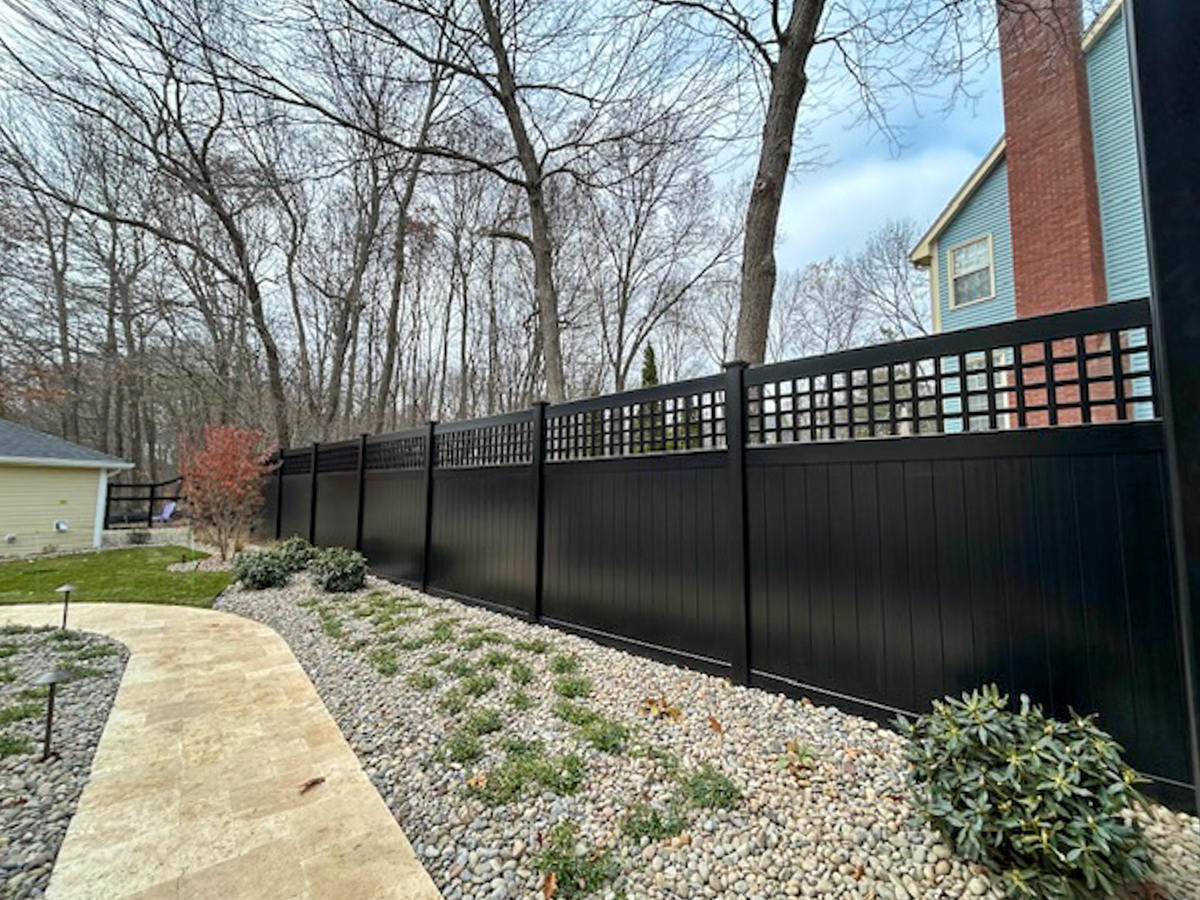
Before settling on a height, it helps to understand the general rules that often apply to fence projects in Massachusetts. Many towns cap front yard fences at around three to four feet, while backyard and side yard fences are frequently allowed up to six feet or slightly higher. Some municipalities also have separate requirements for pool enclosures, which typically call for a minimum height along with self-latching gates.
Because requirements vary from one town to the next, it is worth checking with your local building department before finalizing your plans. Homeowners associations may also have their own guidelines on height, style, or materials that go beyond what the town requires. Taking the time to confirm these details early can help avoid delays or having to modify a fence after installation.
Depending on where you live, you may also run into rules tied to specific fence materials or finishes, particularly in historic districts or planned communities. If you are exploring options like ornamental metal for a front yard, for example, our recent look at winter-proof ornamental metal fencing in Boston covers some of the material considerations that can factor into these decisions as well.
- Front yard fences are usually limited to a lower height for visibility and safety.
- Backyard and side fences often allow more flexibility for privacy purposes.
- Pool areas frequently have their own minimum height and gate requirements.
- Corner lots may have additional restrictions related to sightlines at intersections.
Our team stays current on these details across the communities we serve, including Worcester and the surrounding areas, so we can help you plan a fence that meets both your goals and local requirements.
Best Fence Styles for Maximizing Privacy
Once you have an idea of the height you need, the next step is choosing a style and material that supports your privacy goals. Some options are naturally better suited to blocking views than others, even at similar heights, and the right choice often comes down to maintenance preferences, budget, and how the fence will hold up against Massachusetts weather over time.
Solid Panel Wood Fencing
A classic option for privacy, solid wood fencing uses tightly spaced boards to create a complete visual barrier. It pairs well with taller heights and offers a warm, natural look that suits most home styles.
Board spacing plays a big role in how private a wood fence actually feels, and we walked through some of those details in our recent post on wood fence installation in Oxford.
Vinyl Privacy Fencing
Vinyl fencing is another strong choice for privacy, offering solid panel designs with low upkeep. It holds up well against New England weather and is available in a range of colors and styles.
Composite Privacy Fencing
For homeowners who want the look of wood with less ongoing upkeep, composite fencing delivers solid coverage along with long term durability. Composite panels resist warping and fading better than traditional wood, which makes them a popular option for homeowners who want a privacy fence that keeps its appearance for years.
Ornamental Metal for Security
When the priority is security rather than full privacy, ornamental metal fencing offers a strong, visible deterrent while still allowing sightlines, which is often preferred for commercial properties or front facing areas.
Pairing any of these styles with a well placed automated gate adds another layer of security by controlling who can access the property in the first place.
Balancing Height with Curb Appeal and Neighborly Considerations
While privacy and security are important, most homeowners also want a fence that looks good and fits the character of their property. A very tall, solid fence along the entire perimeter can sometimes feel imposing, especially in a front yard setting. Many homeowners find a middle ground by using a taller privacy fence in the backyard where seclusion matters most, then transitioning to a shorter, more decorative style near the front of the property.
Mixing heights and styles across a single property is more common than people expect, and it often produces a more attractive result than a single uniform fence line. For a look at how this plays out in practice, our recent post on composite fence installation in Worcester shows how a durable, low-maintenance material can support both privacy and curb appeal in the same project.
It is also worth thinking about how your fence height will affect neighboring properties. A taller fence along a shared property line can change the amount of sunlight or airflow a neighbor’s yard receives, and it is generally good practice to discuss larger projects with neighbors ahead of time. This kind of consideration goes a long way toward keeping the process smooth from start to finish, whether you are in Worcester, Natick, or one of the other communities we serve.
For business owners, the balance often looks different. A restaurant patio or storefront may want a moderate height that adds definition without feeling closed off, while a warehouse or industrial site typically prioritizes height and durability over appearance. Our work with commercial fencing projects reflects that range, from decorative enclosures to fully secured perimeters.
Matching Fence Height to Pools, Pets, and Business Security
Different situations call for different height strategies, even on the same property. If you are installing a fence around a pool, height is often dictated by local code rather than personal preference, and self-closing gates are typically required alongside the minimum height. Homeowners with pets usually want a height tall enough to prevent jumping or climbing, which for many dog breeds means a fence in the four to six foot range depending on size and energy level.
Commercial and industrial properties tend to have their own set of priorities. A taller fence paired with limited access points can help reduce liability, protect equipment, and support insurance requirements. Some properties benefit from layering strategies, such as a security fence around the full perimeter with an additional gate or barrier around a specific high value area. Homeowners in Natick and nearby towns often ask us about this kind of layered approach when a single fence needs to serve more than one purpose.
No matter the use case, the right height comes down to matching the fence to its actual purpose rather than choosing a single height for every part of the property. A short consultation with an experienced installer can help identify where those needs differ and how to address them without overbuilding in areas where a lower fence would work just as well. This is especially true on larger properties, where different sections of the yard or lot may call for entirely different approaches depending on how that space gets used day to day.
Quick Checklist Before You Choose a Fence Height
Before finalizing your fence height, it helps to run through a short list of considerations:
- Check your town’s fence height rules for front, side, and backyards.
- Confirm any pool enclosure requirements if applicable.
- Review HOA guidelines if your property falls under one.
- Decide whether privacy, security, or a mix of both is the main goal.
- Consider how the height will look from the street and from neighboring yards.
- Think about pets, children, or business operations that may affect the ideal height.
Working through these points ahead of time makes the installation process faster and helps avoid surprises once the project is underway.
Ready to Find the Right Fence Height for Your Property?
Choosing a fence height does not have to be complicated when you have the right guidance. Our team can walk you through local requirements, compare styles and materials, and help you land on a height that delivers the privacy or security you need without sacrificing curb appeal. We serve homeowners and businesses throughout Massachusetts and are happy to talk through your specific property and goals.
Get a Free Consultation with our team today, and let us help you plan a fence that fits your property from the ground up.
Expert Tips, Inspiration, and Fencing Advice
Stay up to date with fencing tips, design ideas, and expert advice from Priority Fence Company’s blog for homeowners and outdoor projects.
Like this article? Spread the word!
Related Posts

5 Signs It’s Time to Replace Your Old Fence
Not sure if your fence needs repair or replacement? Learn the warning signs to watch for,…

Chain Link vs. Wood Fencing: Which Is Right for Your Property
Comparing chain link vs. wood fencing for cost, privacy, and durability? See which…

Residential Fencing in Natick, MA: How Priority Fence Company Helps Homeowners Add Privacy, Security, and Lasting Curb Appeal
Add privacy, security, and curb appeal with residential fencing in Natick, MA. Contact…